





 +60173309581
Can the intersection of advanced mathematics, computer science, engineering and psychology help heavily trained national athletes perform better under pressure?
At Asia Pacific University of Technology & Innovation (APU), this question is being translated into meaningful action through a growing collaboration that connects sports analytics with applied psychological science.
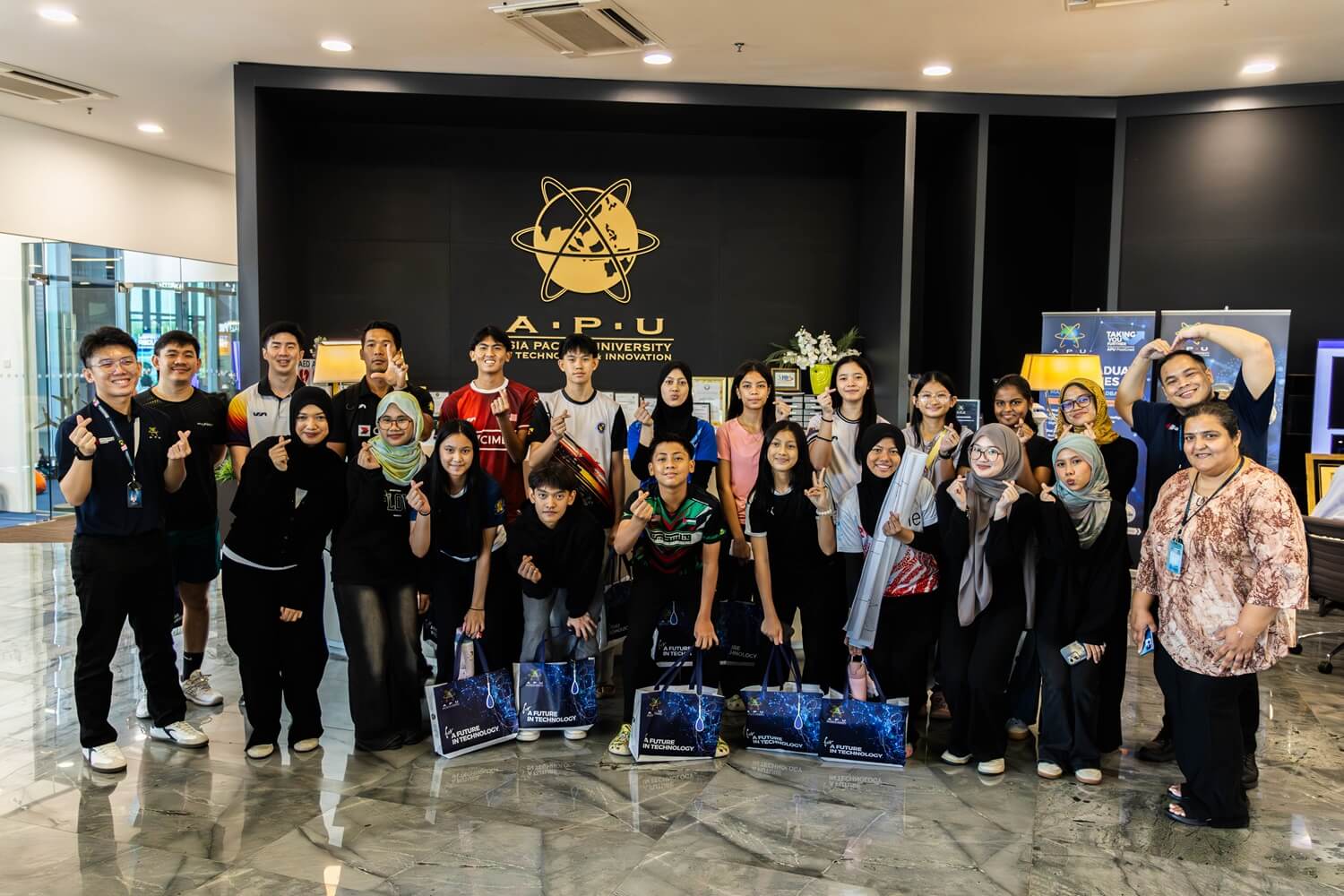
Recently, the Asia Pacific Centre for Analytics (APCA) Research Centre at APU joined hands with APU’s School of Psychology (SoP) to conduct a specialised workshop for national squash players. Titled “Beyond Tough: Building Your Athletic Resilience,” the psychologically grounded workshop was held on 20 June 2026 at APU’s campus in Technology Park Malaysia, Bukit Jalil, Kuala Lumpur.
The intensive session was specially designed for national squash players from the Squash Racquet Association Malaysia (SRAM) and the Bukit Jalil Sports School. It also marked a meaningful expansion of an initial video sports analytics collaboration between APCA and SRAM, moving beyond performance data to address the mental and emotional demands faced by elite athletes.
From Mental Toughness to Athletic Resilience
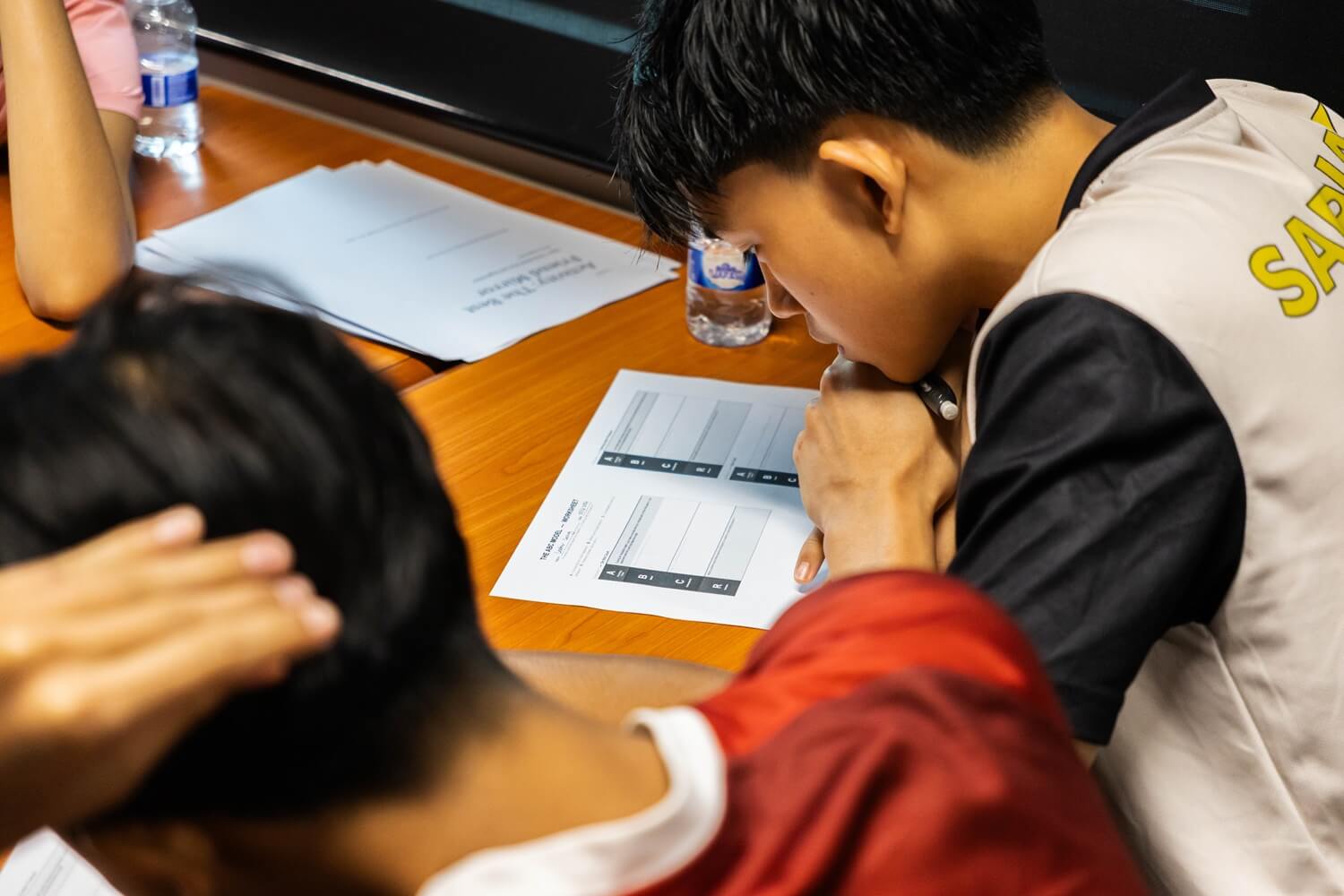
A key focus of the workshop was to shift athletes away from traditional and rigid definitions of “mental toughness”. In competitive sports, toughness is often associated with suppressing pain, ignoring failure, or isolating oneself in difficult moments.
The workshop introduced a more contemporary framework known as Athletic Resilience. This approach encourages athletes to acknowledge and regulate stress, separate their self-worth from the scoreboard, and view failure as real-time feedback for improvement.
By treating resilience as an adaptive and flexible skill, the session equipped players with practical strategies to sustain peak performance while reducing the risk of burnout, competitive anxiety and emotional fatigue.
According to APCA Chairperson and workshop initiator, Ms Hema Latha Krishna Nair, the session blended foundational psychoeducation with active and reflective learning.
“This session equipped our student-athletes with practical psychological tools to manage pressure and perform at their best, both on and off the field. By understanding the difference between positive and negative stress, they gained greater awareness of how emotions influence both their minds and bodies,” she explained.
Learning to Manage Pressure Before It Manages Performance
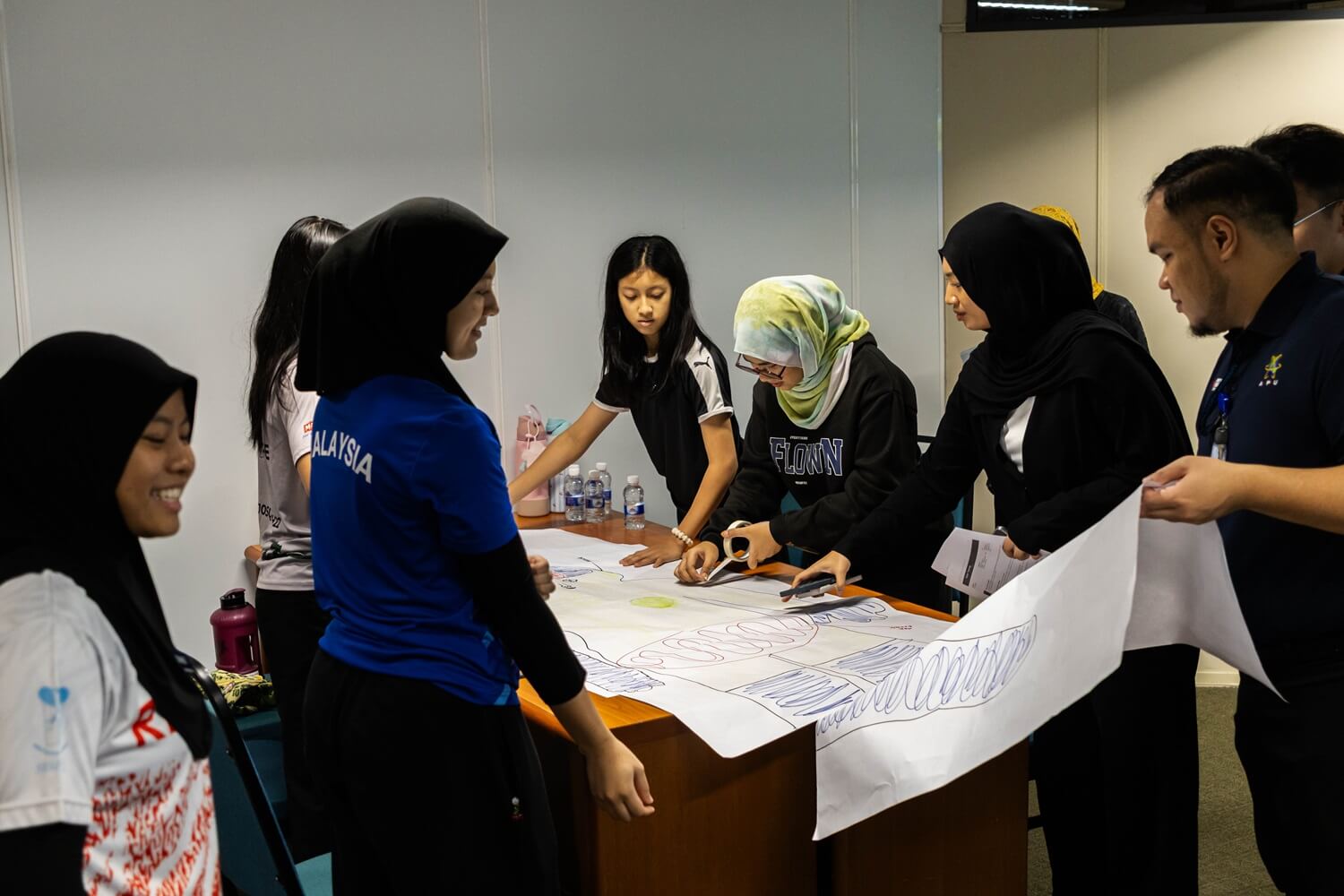
The workshop allowed players to better understand how stress affects performance, decision-making and physical readiness. Through interactive discussions and activities, athletes explored the difference between helpful stress that sharpens focus and excessive stress that can cloud thinking, create tension and affect performance.
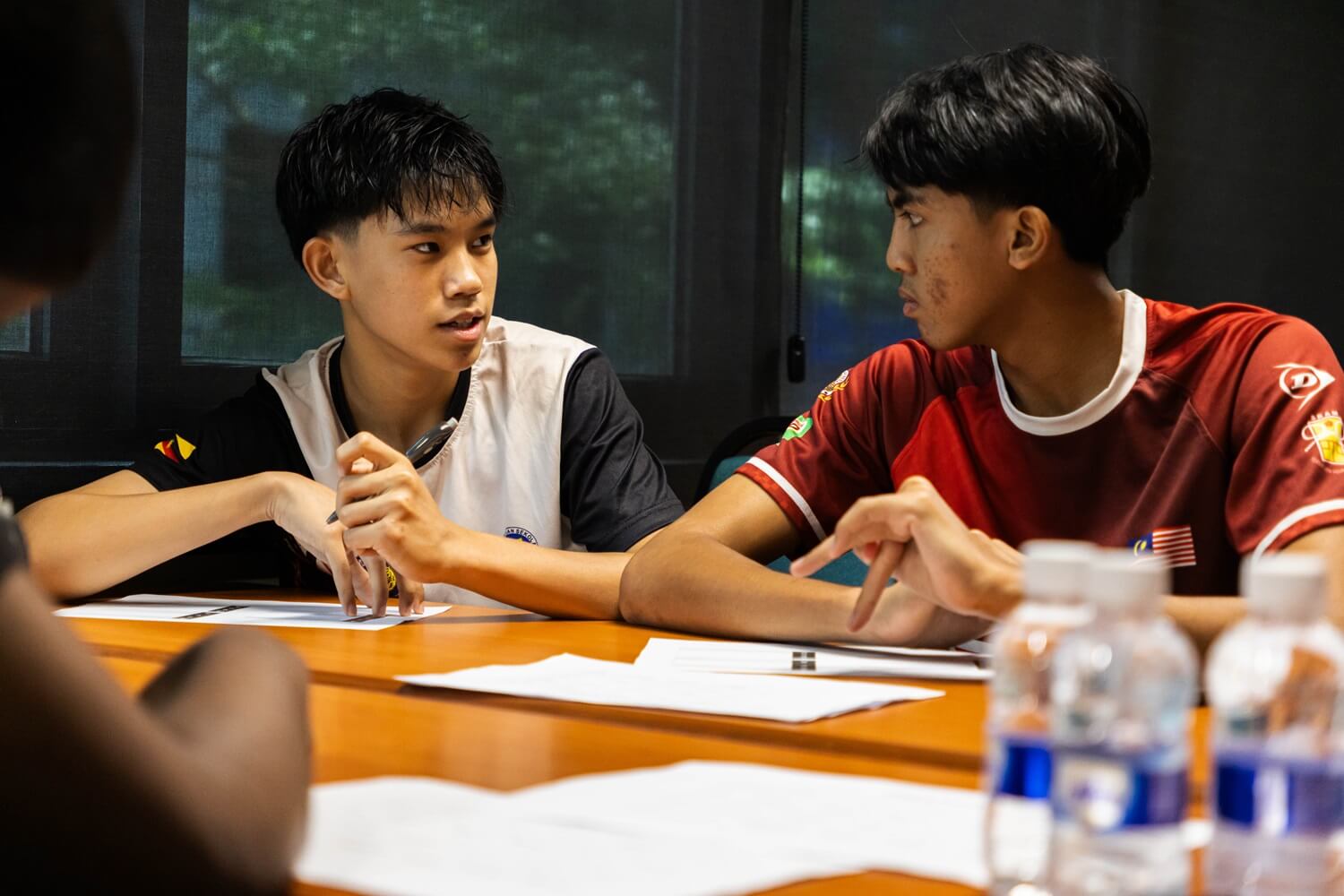
Hema further elaborated, “Through activities such as body tracking, cognitive restructuring, and reflective peer support, the players learned to recognise unhelpful thought patterns, build mental resilience, and practise self-compassion. These are essential life skills that not only enhance sporting performance but also strengthen teamwork, confidence, and overall well-being in the face of challenges.”
APU’s Multidisciplinary Strength in Action
The organisation of this workshop was supported by Professor Ir EUR ING Dr Vinesh Thiruchelvam, Chief Innovation, Enterprise and Sustainability Officer at APU, and strongly backed by Mr Mohd Helmy Norman, APU’s Chief Financial Officer.
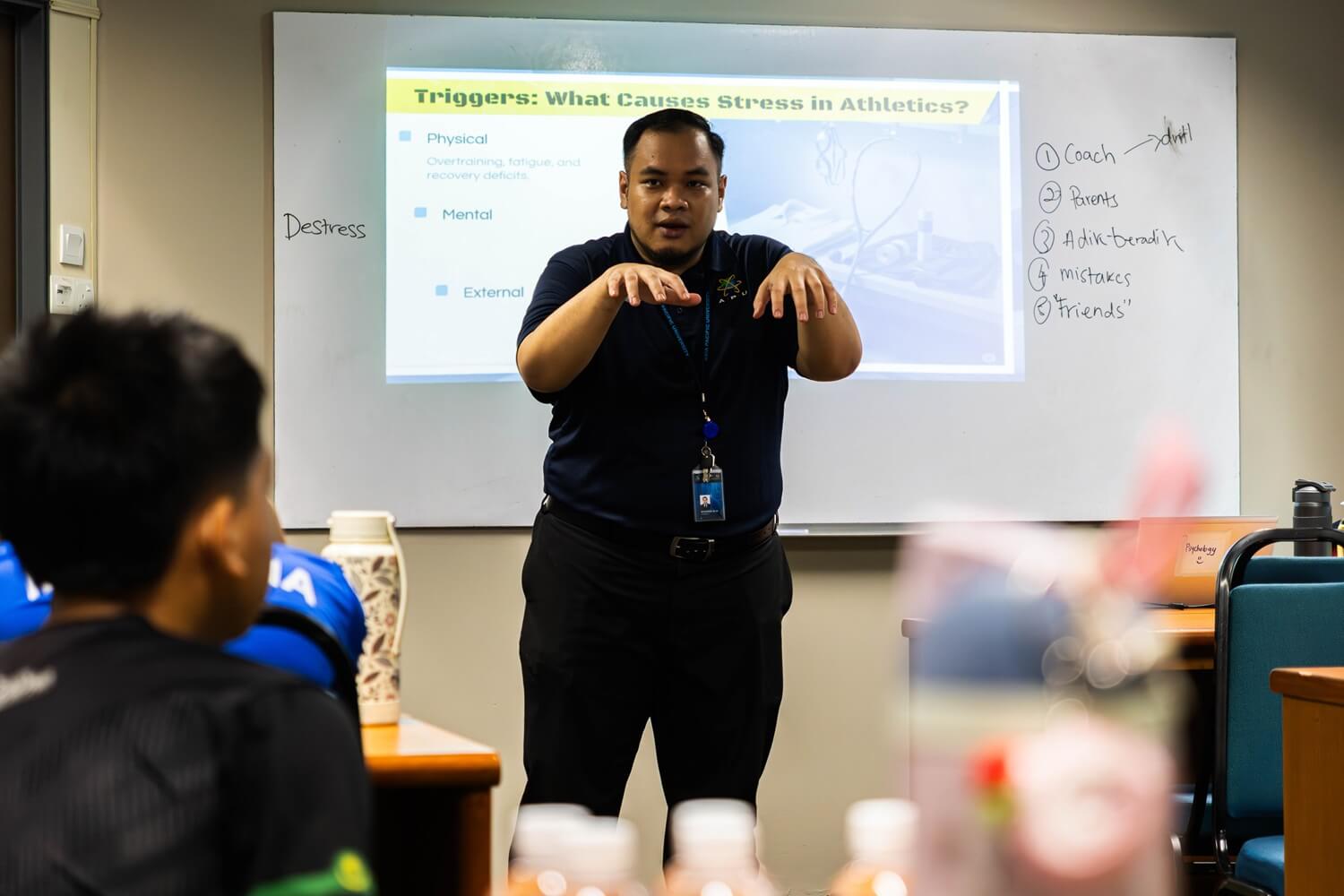
The session was facilitated by APU School of Psychology lecturers, Mr Mohamad Hilmi Mhd Najri and Mr Tan Wei Yu, with dedicated logistical and operational support from APU psychology student helpers: Nur Eika Farhana Binti Hairizal, Sarra Batrisyia Binti Haelmy, Nur Aleya Elyana Binti Tamizi, Zaskia Yasmin Syahwendra, and Kamila Bahlia.
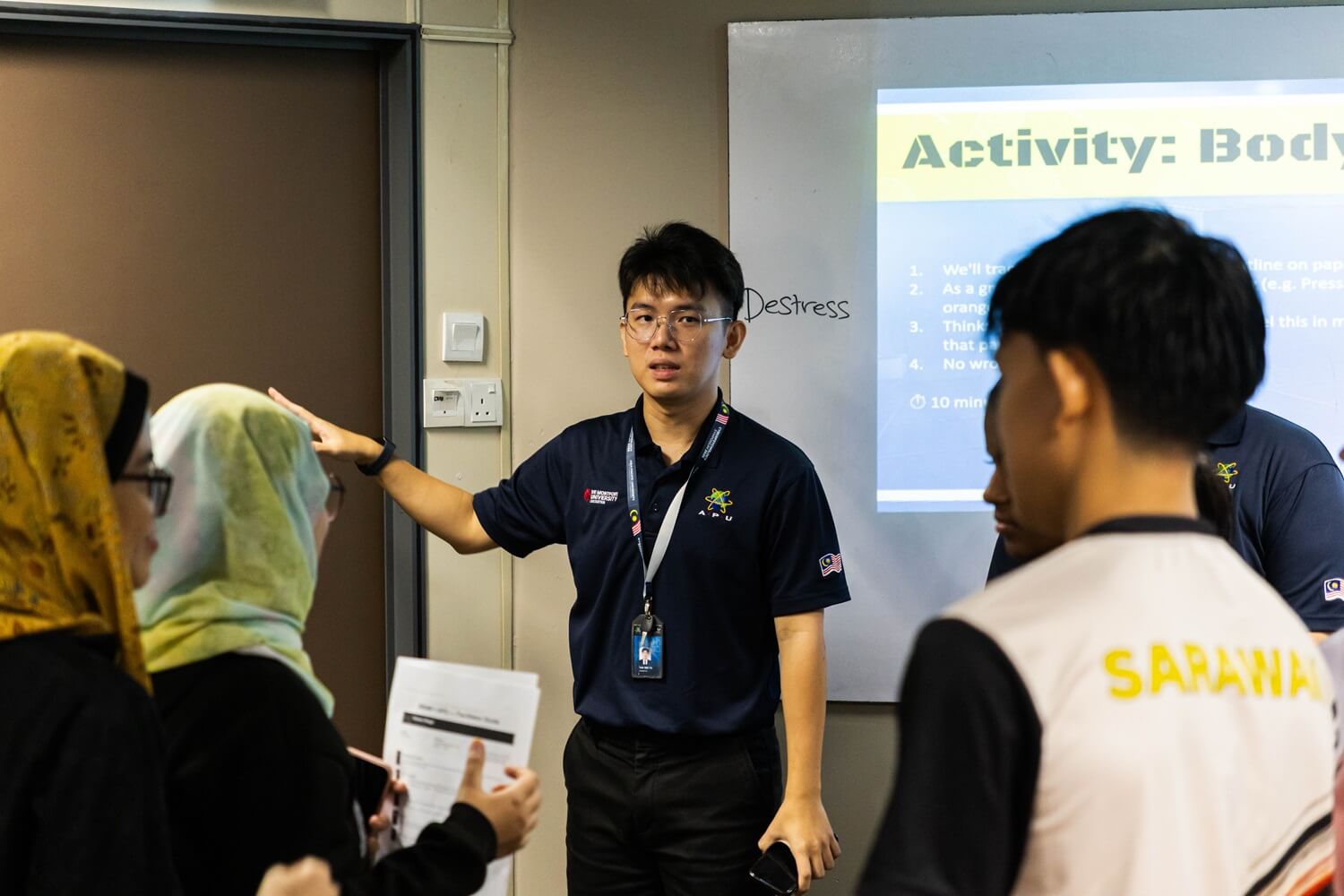
Their involvement reflected APU’s strength in bringing together academic expertise, student participation and applied research to address real-world needs.
Supporting Malaysia’s Sports Performance through Applied Science
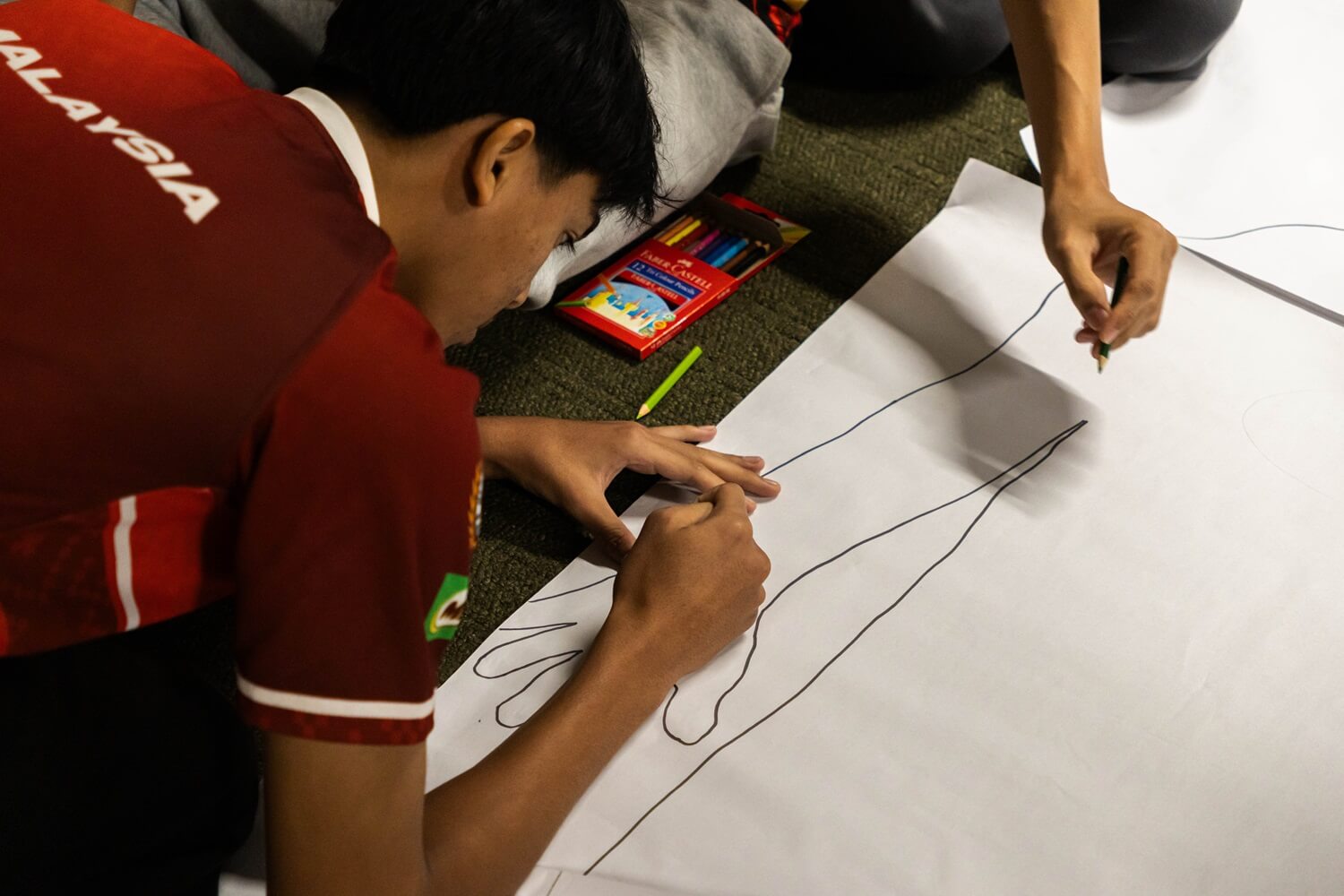
With the successful completion of the workshop, the programme underscores APU’s proactive commitment to extending its expertise beyond the classroom and into the wider community.
By combining analytics, technology and behavioural science, APU continues to demonstrate how multidisciplinary innovation can support national priorities, including sports performance, athlete well-being and human development.
Through initiatives such as this, the School of Psychology and APCA are showing that the future of elite sports is not only shaped by physical training and technical skills, but also by the ability to understand the mind, regulate pressure and build resilience for long-term success.